5 September 2026
Solar, Hydro, and the Dry-Year Problem
Commentators have suggested that accelerating solar could reduce or potentially avoid some of the cost associated with LNG dry-year insurance. It is an interesting proposition. The challenge is how to turn several gigawatts of additional solar generation into dependable dry-year firming capacity.
Short-duration batteries are increasingly effective for managing intraday peaks and renewable variability, but using lithium-ion BESS to store enough energy for a multi-week or multi-month dry-year event would require an enormous, and on today’s economics probably uneconomic, quantity of storage.
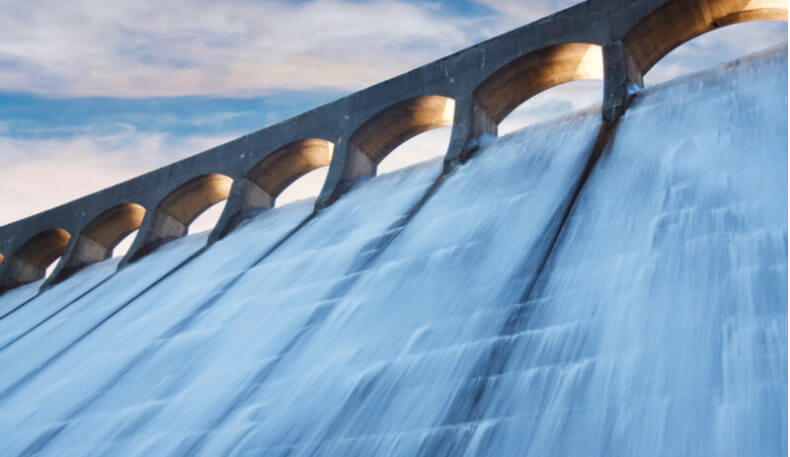
But New Zealand already has a very large energy-storage asset: its hydro lakes.
Methanex’s exit has also created a valuable transition window. The sale of substantially all its remaining contracted gas entitlements will help support energy security through the late 2020s, buying time while New Zealand’s underlying domestic gas supply continues to decline.
We should use that window to accelerate renewable generation and test whether something in the order of 4-5 GW of additional solar, alongside wind and short-duration batteries, could enable much smarter use of New Zealand’s existing hydro storage.
The concept is relatively simple. During daylight hours, additional solar generation can allow flexible hydro stations to reduce their output, leaving water behind the dams. Instead of pumping water uphill with surplus electricity, as conventional pumped hydro does, solar avoids releasing some of that water in the first place.
In that sense, solar could make parts of New Zealand’s existing hydro system behave like a vast virtual battery, or a pumped-hydro-like system without the pumping. Solar supplies electricity while the sun is shining; the water that would otherwise have been used remains stored; and existing hydro turbines can convert that conserved water into firm electricity later, including during evening peaks and multi-day renewable shortfalls. During a developing dry period, solar can also reduce the rate at which scarce hydro storage is depleted.
There are important limits. Solar cannot refill an already depleted hydro lake, reservoir storage is finite, wet periods can result in spill, and solar itself is weather-dependent. The proposition therefore needs to be tested against historical dry years using chronological demand, solar, wind, hydro inflow and reservoir data rather than annual energy averages alone.
Nor does this eliminate the case for energy insurance. LNG (and coal) is intended to provide highly dependable insurance against the residual tail risk that hydro, solar, wind, batteries and demand flexibility cannot economically cover, particularly a compound event involving low starting hydro storage, poor inflows, low wind and high winter demand.
The opportunity created by the Methanex transition is therefore to use the additional availability of domestic gas as a bridge while rapidly building renewable generation and storage. If several gigawatts of solar can materially conserve hydro energy through autumn and winter, the frequency and quantity of thermal generation required for dry-year security could fall substantially.
LNG, if still required, can then perform the role for which it is particularly valuable: strategic insurance for an exceptional event rather than energy we expect to routinely consume.
Put simply: solar can help keep New Zealand’s hydro “battery” charged for longer; hydro can convert that conserved water into firm renewable power; short-duration batteries can manage the hours; and stored fuel can insure the extreme tail.
This would require a genuinely New Zealand-inc approach. Generators, the system operator, regulators, government, renewable developers, major consumers and transmission and distribution businesses would all need incentives that reward the system value of conserving hydro, not simply the production of another megawatt-hour.
Ultimately, governments cannot optimise solely for expected cost. Energy policy has to survive the coldest, driest winter, not just the average year. The human and political consequences of electricity becoming unavailable or unaffordable during such an event mean that retaining some apparently expensive insurance can still be entirely rational.
Lindsay Faithfull
Managing Director