5 October 2026
Building a Resilient and Sustainable Water Future
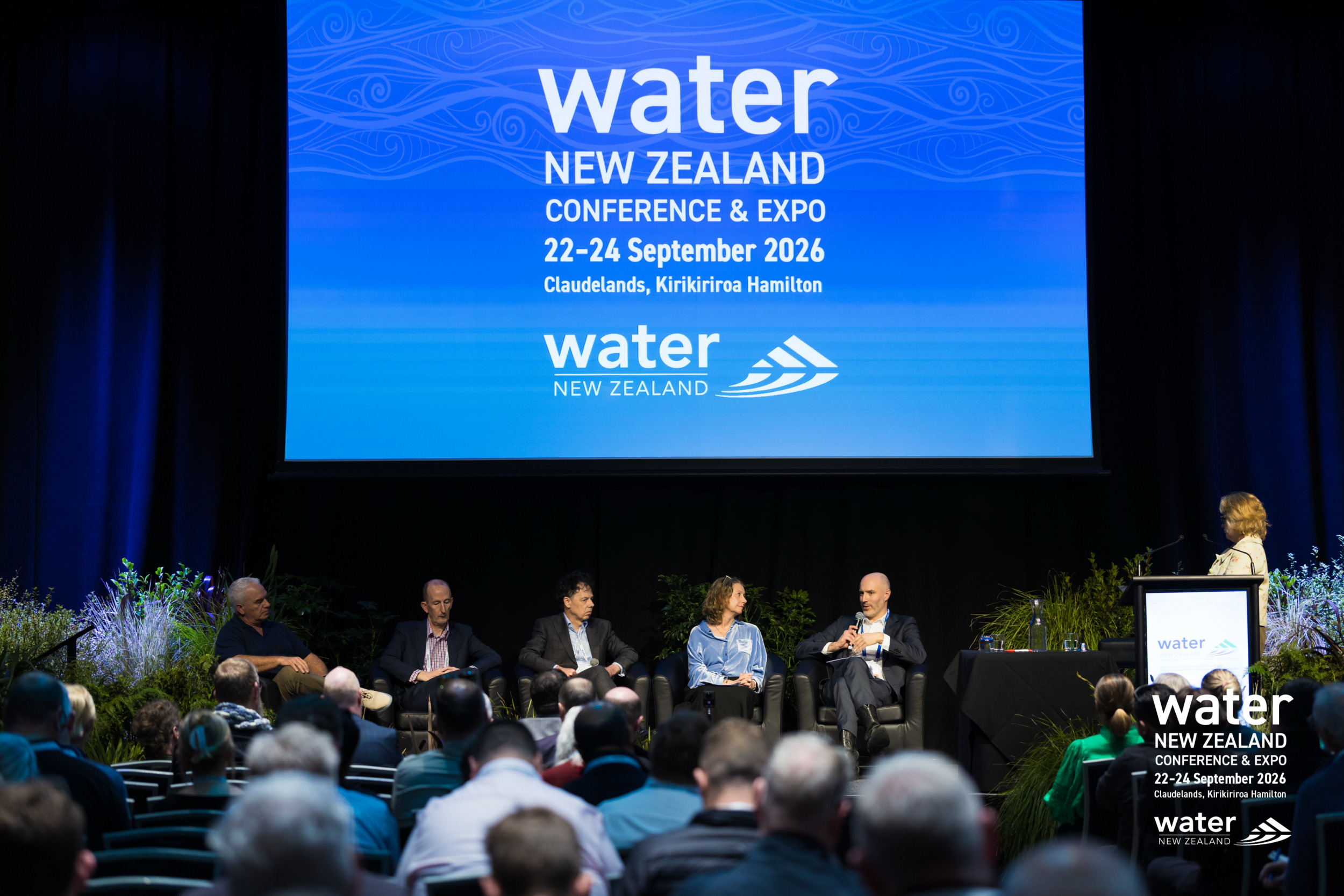
I recently attended the Water New Zealand Conference, held from 22-24 September at Claudelands in Kirikiriroa Hamilton, where I had the opportunity to hear from industry leaders, local authorities, iwi representatives, and water professionals about the challenges and opportunities shaping the future of New Zealand's water sector.
One of the key topics at the conference was the scale of New Zealand’s water infrastructure challenge. Decades of underinvestment, ageing assets, population growth, climate change, and increasingly stringent regulations are placing significant pressure on the country’s water networks. However, discussions highlighted that addressing these challenges is not just about investment and infrastructure upgrades. Long-term success will also depend on collaboration, innovation, and incorporating a range of perspectives into how water resources are managed and protected.
Another focus was climate resilience. As extreme weather events become more common, water infrastructure needs to be designed and maintained to better cope with flooding, stormwater, and other climate-related impacts. Building resilient networks is becoming an essential part of long-term planning.
There was also significant discussion around how the sector can fund future infrastructure needs. Topics included public-private partnerships, sustainable funding models, and the Government’s “Local Water Done Well” reforms. Many speakers highlighted how technology, better data, smart metering, and AI-driven asset management can help water providers make better decisions and improve the performance of their networks.
While investment was a major focus, the conference also reinforced that future solutions need to go beyond funding and engineering alone. There was a strong emphasis on working alongside iwi and incorporating Māori perspectives to help achieve sustainable outcomes for communities and the environment.
Many presentations focused on the interconnected relationship between wai (water), awa (river), and whenua (land), and the role of practical kaitiakitanga in guiding decision-making. Donna Flavell, Chief Executive of Waikato-Tainui, reinforced that protecting water quality is both an ethical and practical responsibility. She highlighted the importance of engaging with iwi early in the planning process, rather than later when challenges arise, to achieve better long-term outcomes for communities, the environment, and future generations.
One of my key takeaways from the conference was that addressing New Zealand’s water challenges will take more than investment alone. It will require collaboration, innovation, and a long-term approach to ensure we deliver sustainable outcomes for communities and the environment.
Looking ahead, the focus needs to be on building resilient water infrastructure, making smart investment decisions, and working together to protect our water resources for future generations.
Daniel Blair
McKay Technical Manager