
The Project
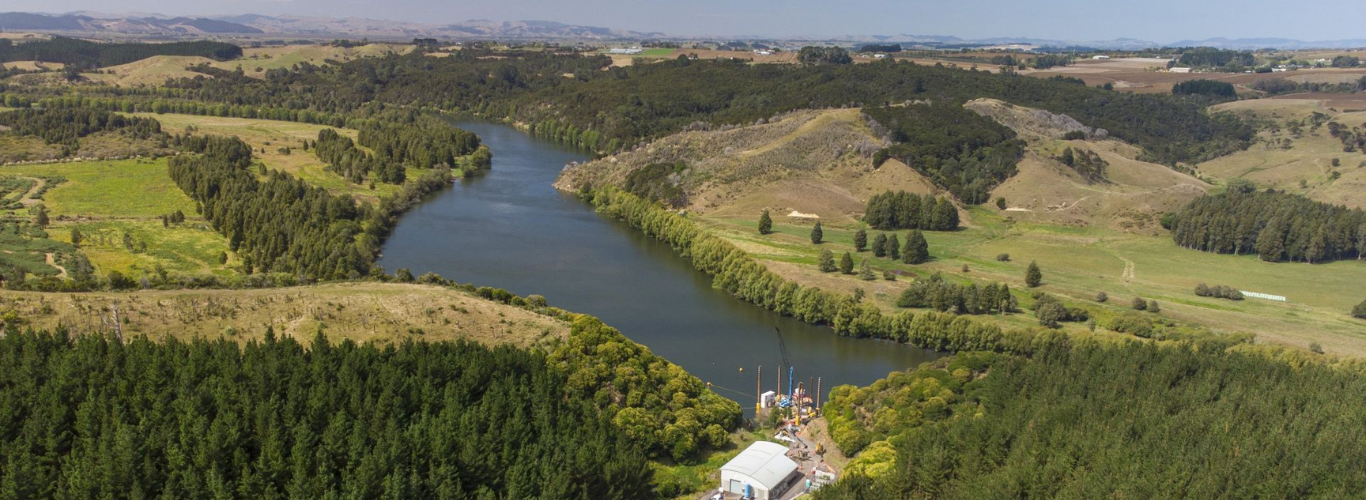
Watercare engaged McKay to deliver the Waikato NTU District-Wide Kingfisher Project Upgrade, a significant infrastructure modernisation programme aimed at enhancing control and communication across Watercare’s regional water and wastewater network. The project involves construction, installation, and commissioning works across more than 120 pump station sites throughout the Waikato region, making it one of the larger multi-site programmes McKay has delivered for the water sector. With a strong focus on operational reliability and system modernisation, McKay has drawn on its extensive control systems and network upgrade expertise to support Watercare’s strategic infrastructure objectives.
Project Deliverables
McKay’s scope covers the full upgrade of electrical, control, and communication systems across Watercare’s Waikato network.
Our Approach
Delivering across 120-plus sites demands a level of planning and coordination that goes well beyond a typical single-site project. McKay’s response was to front-load the programme — procuring materials early and securing them at the Hamilton depot, and running workshop manufacturing well ahead of schedule to ensure site teams always had what they needed to keep installation works moving. At the time of writing, workshop production is running three months ahead of schedule, with site installations averaging two completions per week and tracking well to programme. This proactive, factory-first approach has been central to maintaining momentum across a geographically spread programme, reducing the risk of delays and keeping Watercare’s upgrade on course to deliver lasting improvements to their regional network.