

From designing and commissioning new automation systems to enhancing and retrofitting existing ones, we have the knowledge and experience to ensure seamless integration and reliable performance.
McKay has an automation and engineering team with vast experience in commissioning all types of installations. We work closely with our electrical team, suppliers, consultants, and the end-client to ensure the projects are delivered on time and to the highest standard.
Our experienced team of cross-disciplinary engineers excels at fault finding, ensuring that any issues are quickly identified and resolved, minimizing downtime and maximizing productivity.
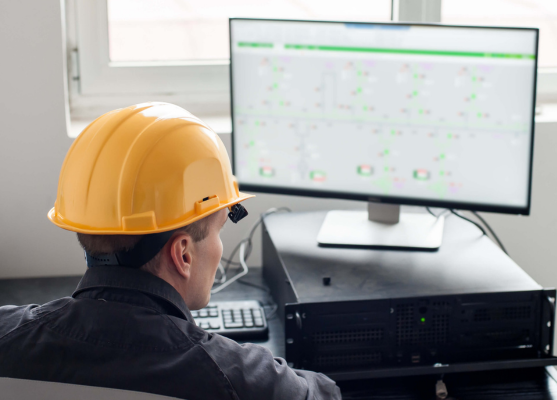
At McKay, we have extensive experience in programming SCADA (Supervisory Control and Data Acquisition) systems, PLCs (Programmable Logic Controllers), and other industrial platforms. Our team of skilled engineers is well-versed in working with all the major PLC and SCADA brands, ensuring that we can provide solutions tailored to your specific needs. Whether you require SCADA programming for real-time monitoring and control of your industrial processes or PLC programming for automating tasks and managing complex control systems, we have the expertise to deliver high-quality solutions. Our team is experienced in working with popular brands such as Siemens, Schneider Electric, and others. In addition, our knowledge extends to more obscure brands, allowing us to cater to a wide range of industrial platforms.
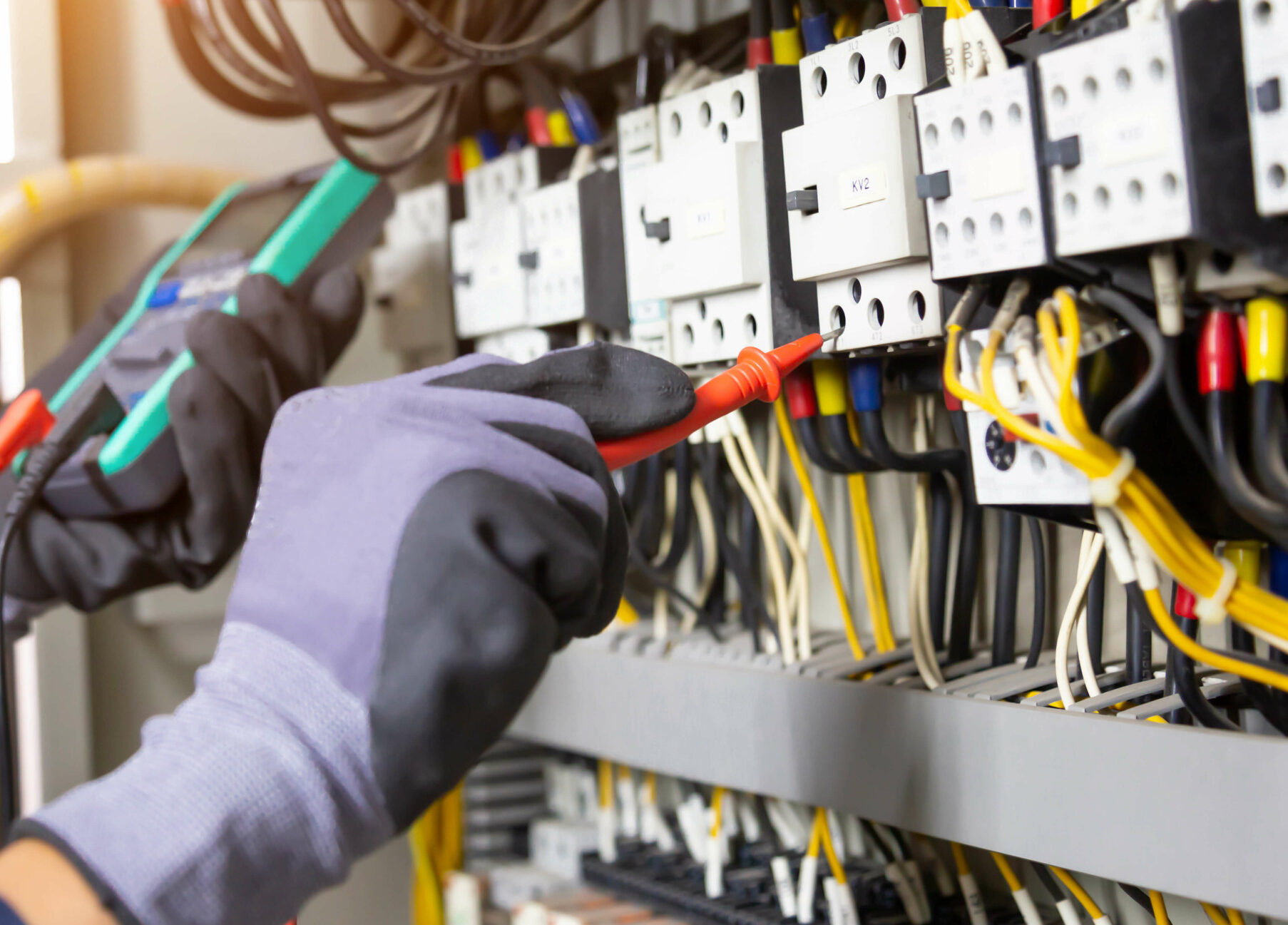
we are committed to delivering comprehensive support throughout the entire life cycle of your automation system. We understand that the needs of our clients evolve over time, and that maintaining the efficiency and reliability of your operations is critical to your success. That's why we offer ongoing maintenance and upgrades to ensure your systems are always operating at peak efficiency. Our team is highly skilled at designing and managing complex control system upgrades. This includes critical activities such as software updates, implementation of new communication and telemetry protocols, and hardware upgrades. We work closely with our clients to ensure that the upgrade process is seamless and that there is minimal disruption to your operations.